Everyday safety
International Women’s Day, and the story behind it.
Every year, 8 March brings flowers, social media posts and the occasional confused office email. Behind the date sits a precise history of conferences, strikes and official recognition. Knowing it shifts the day slightly: less a celebration, more a moment to look at rights that were won, and at the ones still being worked on.

A day about rights, not a day for compliments
The United Nations calls it International Women’s Day, and in many countries the name stresses rights: in France, for instance, it is officially the International Day of Women’s Rights. The idea is the same everywhere. It is a day of awareness and action on equality between women and men, not a second Mother’s Day.
That framing matters because it changes what a good 8 March looks like. A bunch of flowers is kind. A conversation about who does what at home, or how promotions are decided at work, goes further.
Where the date comes from
The idea was born in 1910 in Copenhagen, at the second International Conference of Socialist Women. The German journalist and activist Clara Zetkin proposed that women in every country hold an international day each year. The first one took place on 19 March 1911, in Austria, Denmark, Germany and Switzerland.
The date of 8 March comes from Russia. On 8 March 1917 (23 February in the Julian calendar then in use), women marched in Petrograd, today Saint Petersburg, demanding bread and peace. The protest marked the start of the Russian Revolution, and the date stayed.
The United Nations officially recognised International Women’s Day in 1977. The often repeated story of a New York garment workers’ march on 8 March 1857 does not match the historical record.
What happens on the day
In Ireland and the United Kingdom, 8 March is a normal working day. The day lives alongside it: talks and panels at universities and workplaces, events in libraries and arts centres, marches and gatherings organised by women’s groups, and a lot of reading lists.
Elsewhere in Europe it can look quite different. In some places it is a public holiday, in others a day of large demonstrations. Wherever you are, your local council, library or university usually lists what is on.
Simple ways to mark it
No grand gesture needed. The day works best for things that last beyond 8 March: learning, supporting, talking, passing it on.
- Learn something: a talk, a book, a documentary on the history of women’s rights
- Support a local women’s organisation with your time, or by sharing what it does
- Talk about how housework and care are shared at home, before a row raises it for you
- Raise pay equality at work: pay bands, promotions, part-time roles
- Tell younger people where the rights they take for granted came from
Passing it on to younger people
For a child or a teenager, the right to vote, to open a bank account or to choose a career looks obvious. Explaining that these rights had to be won, and when, gives the day weight without making it heavy.
Simple questions work well: who does what at home, why some jobs are mostly done by women or by men, who gets to feel relaxed walking down a street at night. They open a conversation better than a lecture does.
Moving freely is an everyday right
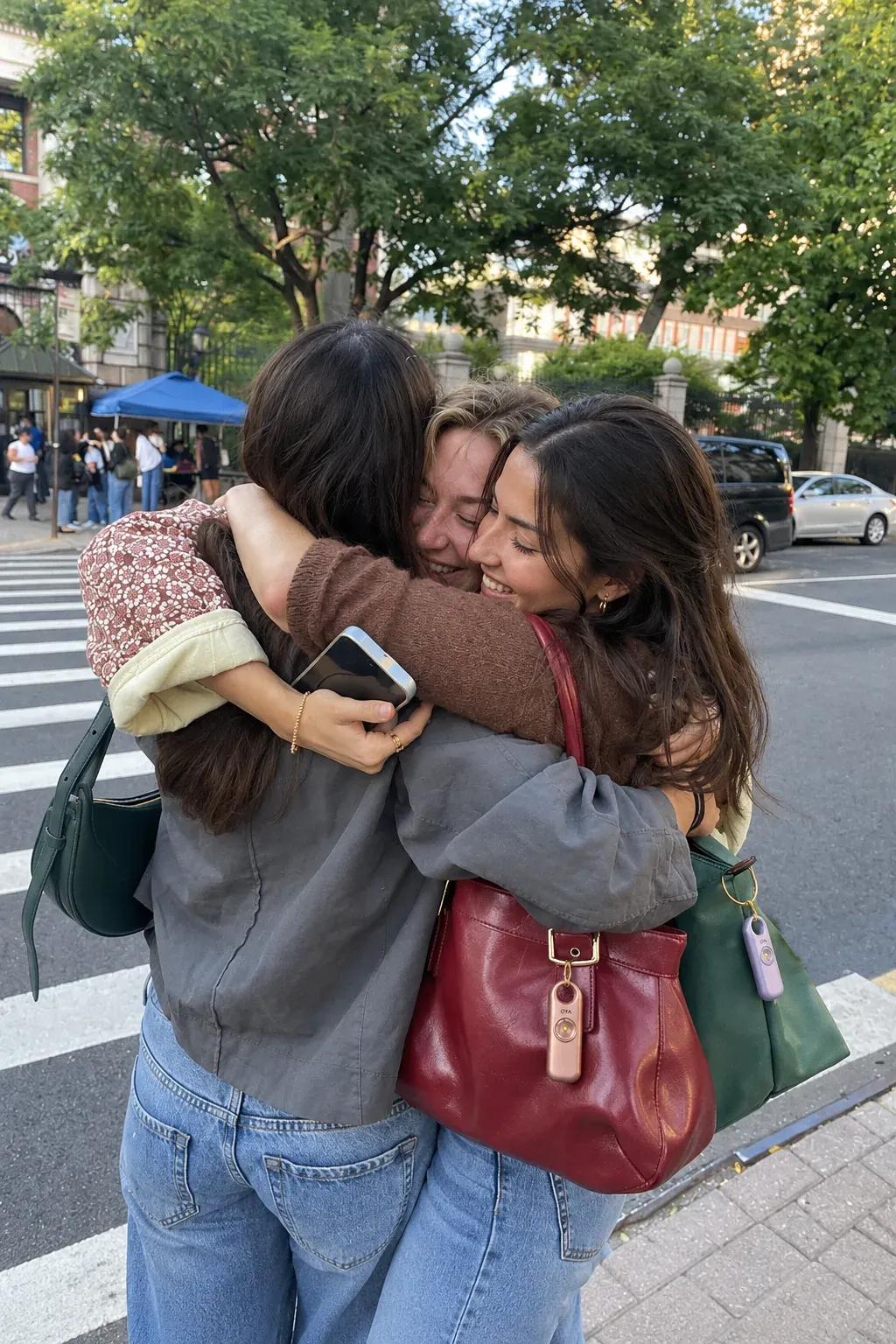
Among the rights 8 March is about, one is very concrete: being able to come and go without being stopped, followed or commented on. Street harassment is not a minor feature of city life, and talking about it belongs to the day.
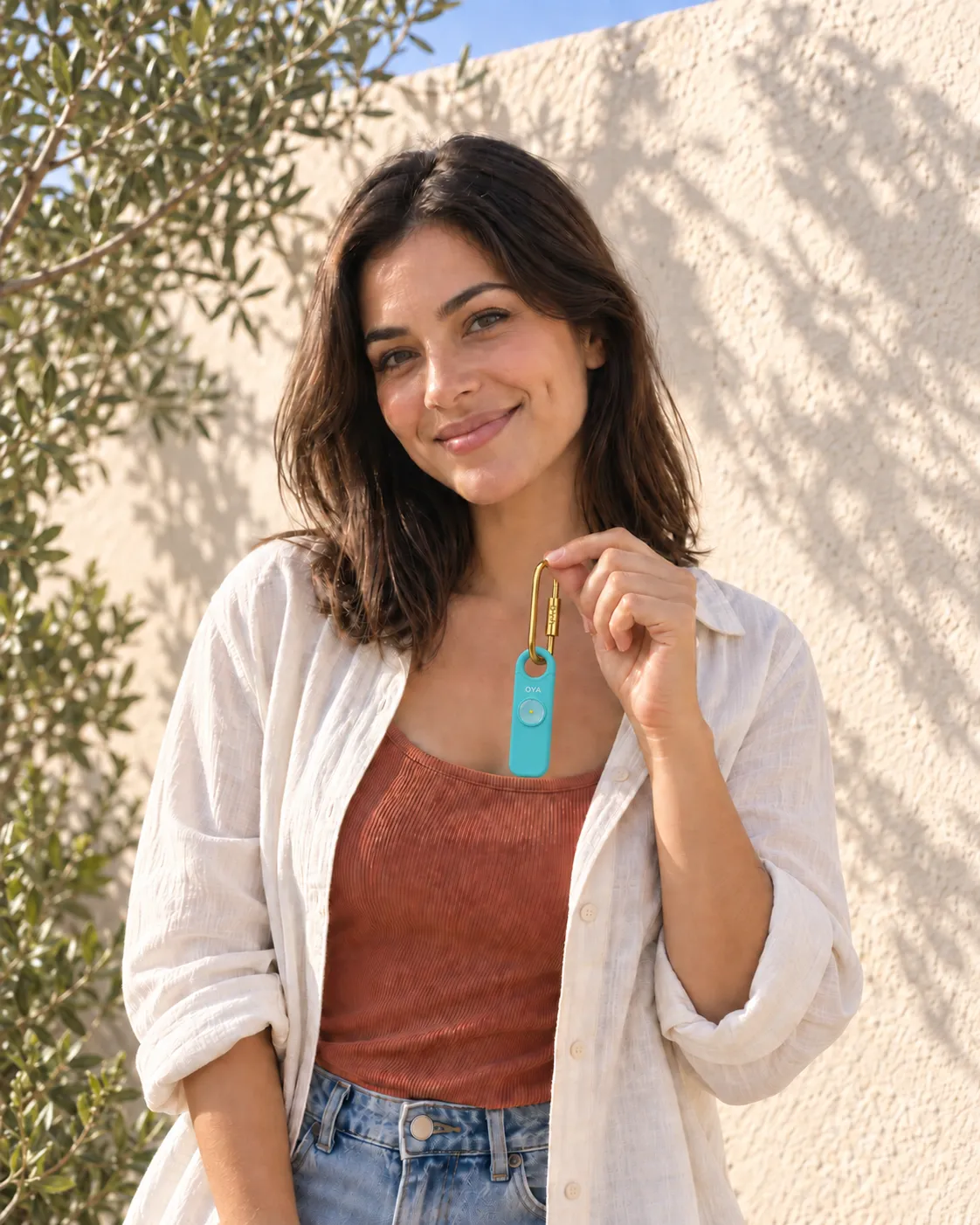
Knowing how to respond, knowing where to find help, taking a self defence class or carrying an alarm on your keys are all possible answers, to pick according to your own situation. 25 November, the international day against violence against women, carries the same conversation further, with the support services that matter.
Any questions?
Why is International Women’s Day on 8 March?
The date goes back to 8 March 1917, when women marched in Petrograd demanding bread and peace, at the start of the Russian Revolution. The idea of an international day itself dates from the Copenhagen conference of 1910.
When did the United Nations recognise International Women’s Day?
The United Nations officially recognised International Women’s Day in 1977. The day itself had been marked in several countries since 1911.
Is International Women’s Day a bank holiday in Ireland or the UK?
No, 8 March is a normal working day in Ireland and the United Kingdom. Events, talks and gatherings take place around it, often listed by councils, libraries and universities.
How can you mark International Women’s Day?
Learn something about the history of women’s rights, support a local women’s organisation, talk about how work at home is shared or how pay is set at work, and explain to younger people where their rights came from.