Everyday safety
Street harassment: what the next ten seconds can look like.
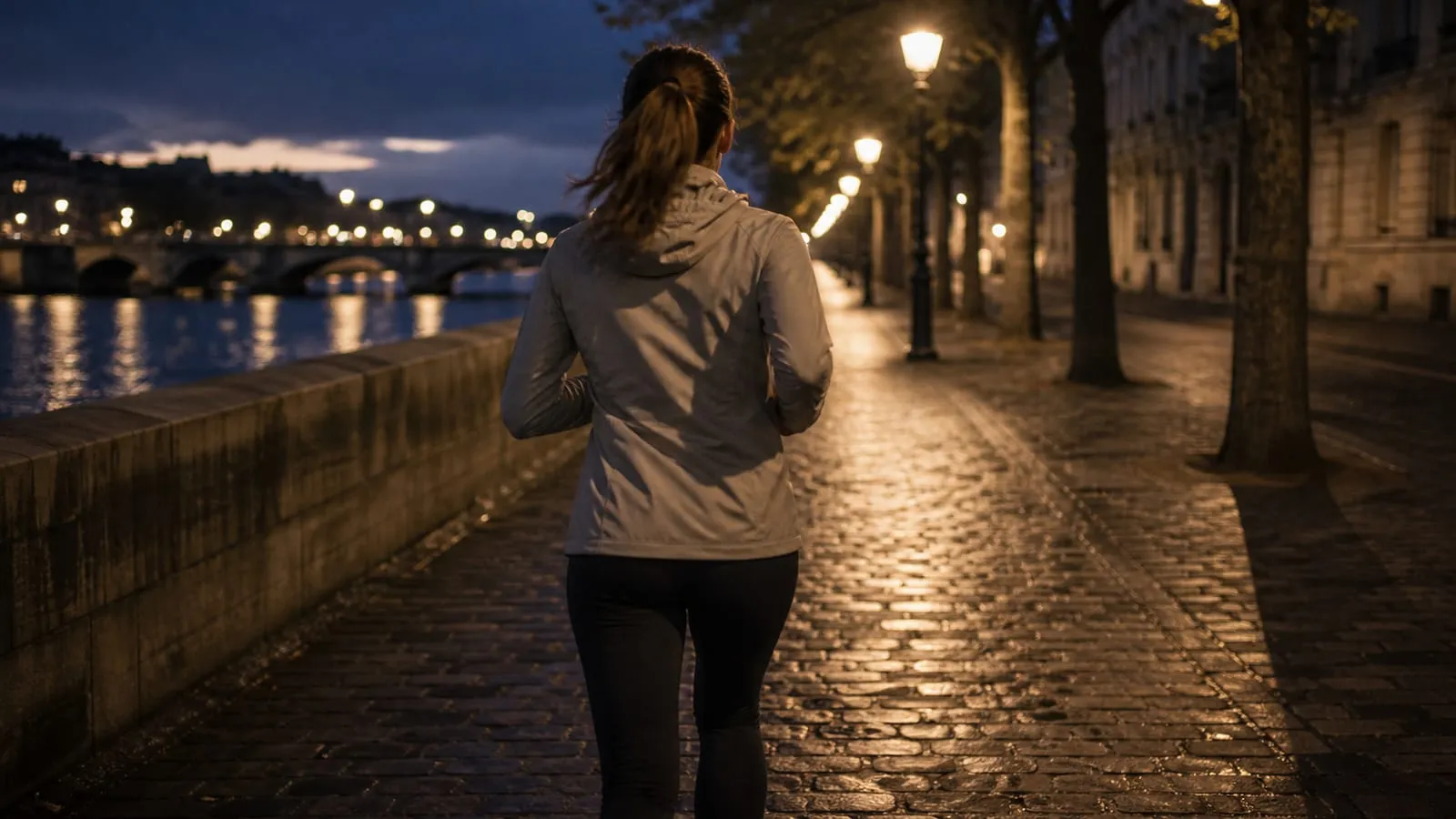
Street harassment rarely announces itself. A comment, a step taken alongside you, a question that is not really a question, and suddenly you are working out what to do with a face that has already made up its mind. The advice that circulates afterwards is confident and calm. The moment itself is neither. What follows is not a script, because nobody can write one for a street they are not standing in.
Neither answering nor ignoring is the right move
Answering back sometimes ends it. The person wanted a reaction, did not expect one, and moves on. Answering back sometimes escalates it, because a reaction is exactly what was wanted and now there is something to keep going. Both happen. Neither outcome is a comment on the person who chose.
Ignoring works the same way. Silence often drains the moment of whatever the other person came for. It can also be read as an opening, and the comments continue for another street. You cannot know in advance which street you are on.
What matters is that the decision belongs to whoever is standing there, reading a face, a distance and a tone that no article can see. Any rule that says always respond, or never respond, is written by someone who is not present. Judge it live, change your mind mid-sentence if you want to, and do not spend the evening auditing yourself for having picked the other one.
Move towards people, not away from them
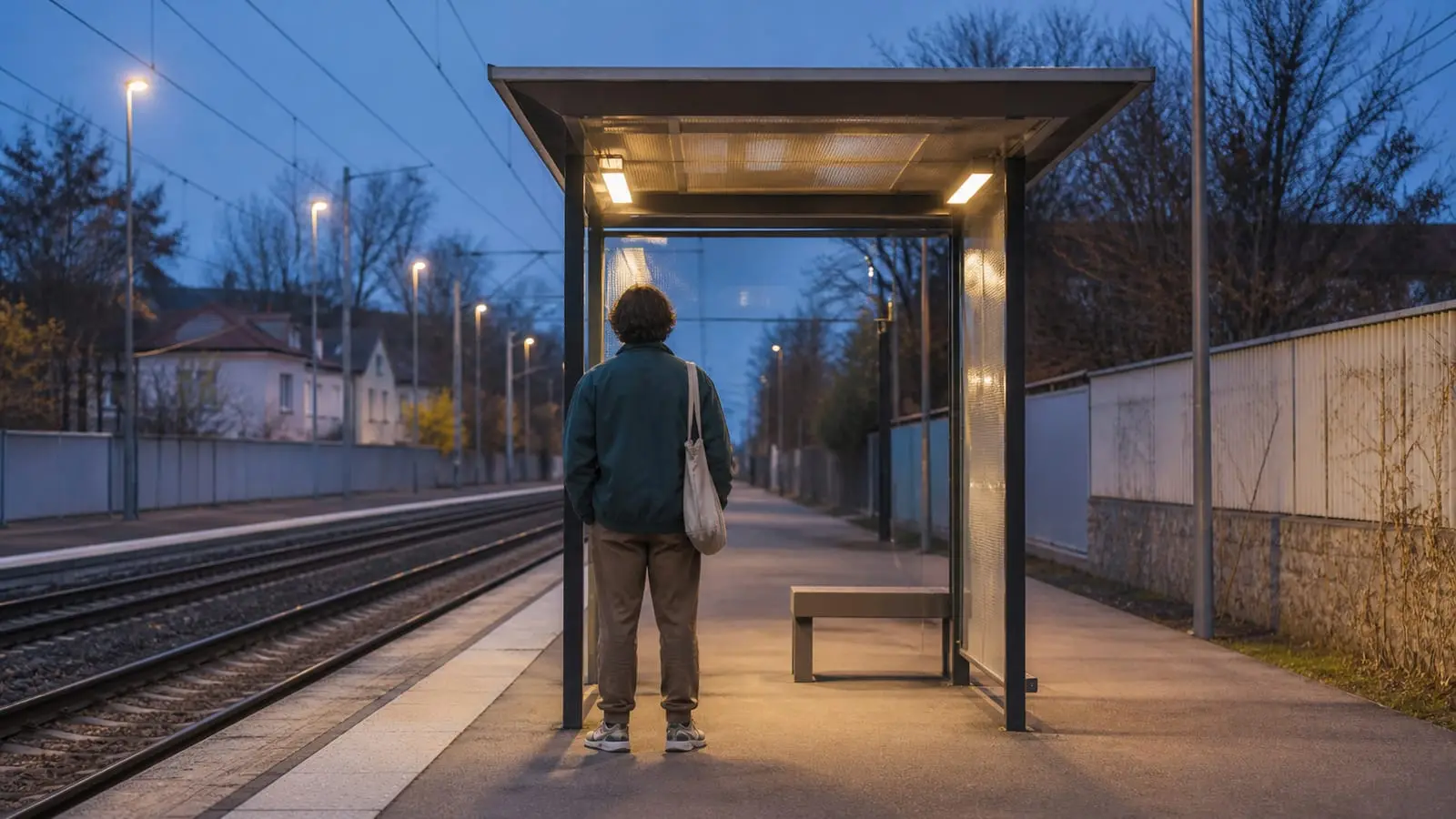
The instinct is to put distance between you and the person. Distance usually means quieter streets, and quieter streets are the wrong direction. The better instinct is to head for a place where there are witnesses, light and a door that closes behind you.
An open shop is the strongest version of that. There is a counter, someone paid to be behind it, cameras in most cases, and a threshold that most people will not follow you across. A late supermarket, a petrol station, a kebab shop, a hotel lobby: none of them are asking why you came in, and you do not owe anyone an explanation for standing near the crisps for four minutes.
It also buys you the one thing the pavement does not give you, which is time. Inside, you can call someone, order something, wait for a bus you can see coming. Leaving is a decision you make later, from a calmer place, instead of one you make while walking.
- Bus stops with other people waiting count too
- Hotel and building lobbies are usually staffed all night
Speak to one person, not to everybody
A crowd is not an audience, it is a group of individuals each waiting to see what the others do. Shouting at a street full of people asks nobody in particular for help, so nobody in particular gives it. This is not cruelty, it is arithmetic: responsibility divided by twenty is almost nothing.
Naming one person undoes that. Describe them out loud so the description can only be them, then say what you want. Not help, which is vague, but something a stranger can do in five seconds without deciding to be a hero. The specific request is the part that works.
It also changes the situation for the person harassing you, who is now visible to a named witness rather than to a blur of pedestrians. That is often enough on its own, and it costs nothing if it is not.
- The man in the green coat, will you walk with me to the corner
- You with the pushchair, can I stand next to you until the bus comes
- Excuse me, in the blue jacket, this person is following me
- Ask for one action, not for rescue
If you are the one watching
Most people who witness street harassment do nothing, and most of them are not indifferent. They are waiting to be sure, waiting for someone else to move first, or afraid of making it worse. Knowing that in advance is what lets you move before the doubt settles.
Direct confrontation is the option people imagine and the one that most often escalates. There are quieter ones that work better. Walk over and start an ordinary conversation with the person being targeted, as though you knew them. Stand nearby and stay visibly present. Ask a plain question: is this person bothering you. Afterwards, offer to walk to the corner or wait for the bus together, and accept a no without insisting.
Do not film first. A phone raised before anything else is said tends to redirect the anger, sometimes onto the person you meant to help, and it puts them in a video they never agreed to. Being seen paying attention is the part that changes the moment.
When noise helps, and when it does not
Noise does one thing reliably: it makes people look. That is not the same as making someone leave, and it would be dishonest to promise otherwise. What it does is end the privacy of the moment, which is what a lot of harassment depends on. Faces turn, windows open, someone in a shop looks up. The person who was counting on nobody watching now has an audience.
That is worth a great deal on a street with people on it, and much less on an empty road at four in the morning, where the same sound may only tell someone exactly where you are. It also has to be reachable. A device at the bottom of a bag is a device you will not get to in the seconds this article is about.
That is the whole idea behind OYA: a small alarm on your keyring, so it is already in your hand when your keys are. Pull the loop upwards and a 130 dB siren starts. If your phone is paired over Bluetooth, the same pull triggers your phone’s built in SOS and sends your location to the emergency contacts you chose. It is not a weapon and it does not decide anything for you. It is one more option in a situation where having options is most of the point.
Any questions?
Should I respond to catcalling or just ignore it?
There is no answer that is right every time, and anyone who gives you one is guessing. Responding ends some incidents and prolongs others, and the same is true of silence. Read the distance, the tone and whether the person is alone, then decide, and do not treat the outcome as proof that you chose wrongly.
Will a personal alarm make a harasser go away?
It might, but nothing guarantees it, and we will not pretend otherwise. What an alarm does reliably is attract attention: people look towards the sound, which removes the privacy the situation was relying on. On a busy street that matters a lot. On an empty one it does much less, and the phone message to your contacts becomes the more useful half.
What can I do as a bystander without making things worse?
Start with the least confrontational move available. Walk up and talk to the person being harassed about something ordinary, as if you were meeting them. Stand close by and stay visible. Ask them directly whether they are alright. All three work by adding a witness, which is usually what the situation was missing.
Does OYA call anyone for me?
No, and this is worth being clear about. There is no call centre and no operator behind it. The siren works on its own, and if your phone is paired it triggers your phone’s own SOS and sends your position to contacts you chose in advance. Without your phone on you, what you have is the sound.