Everyday safety
Running alone after dark, without giving up the run.
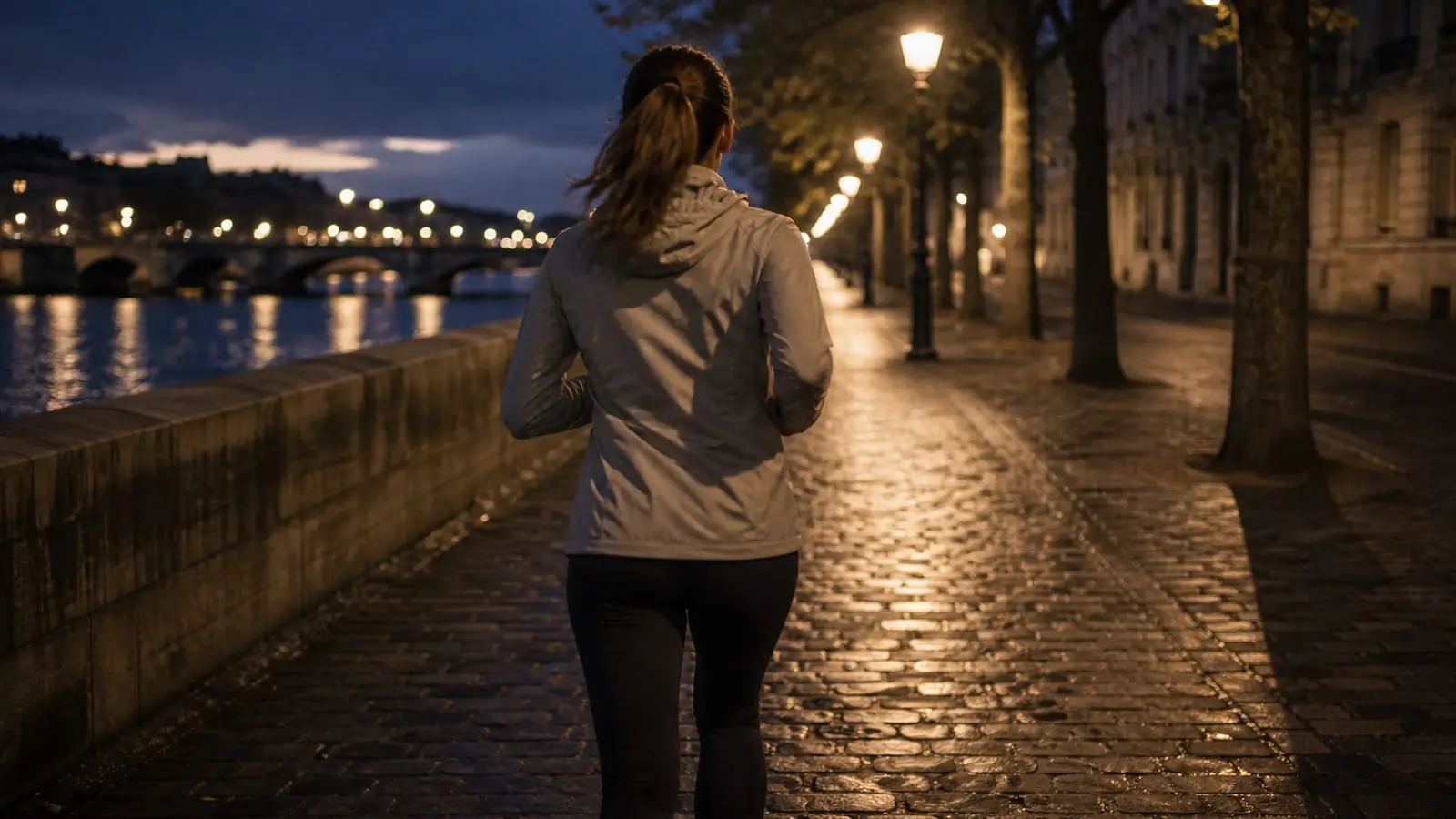
From October onwards, running alone means running in the dark, and the advice on offer is usually just do not. That is not advice, it is a cancelled season. These are the changes that actually move the odds.
Run loops, not lines
A ten kilometre line takes you steadily further from everything you know. The same distance as two five kilometre loops keeps you on ground you have already read that evening, and never more than a few minutes from a lit street or a way out.
Loops are also honest about pace. When a route goes wrong on a line you still have half of it to run; on a loop you are always heading back towards the start.
Be seen from the side, not just the front
Most reflective kit faces forward, which is the direction a car is least likely to hit you from. Junctions, driveways and roundabouts are side impacts, so reflective strips on the ankles and upper arms are worth more than a bright chest panel.
A head torch does two jobs at once. It shows you the pavement, which is where most winter running injuries come from, and it makes you unmistakably a person rather than a shape.
- Reflective on ankles and arms, where the movement is
- A head torch for the pavement, not just for being seen
- Assume a driver has not seen you until they slow down
Keep the street audible
Music is half the reason the run happens at all, so telling people to drop it does not work. What works is keeping one channel open: bone conduction headphones, one earbud, or a volume low enough to hear a car changing gear behind you.
That is not a small margin. Hearing is how you notice a bike on a shared path, a car pulling out of a driveway or footsteps changing rhythm, all several seconds before you would have seen any of them.
Carry less, but carry the right three things
Running kit has no pockets by design, so everything you carry has to earn its place. Three things do: a phone with live location shared for the length of the run, something that identifies you, and one thing you can set off without stopping.
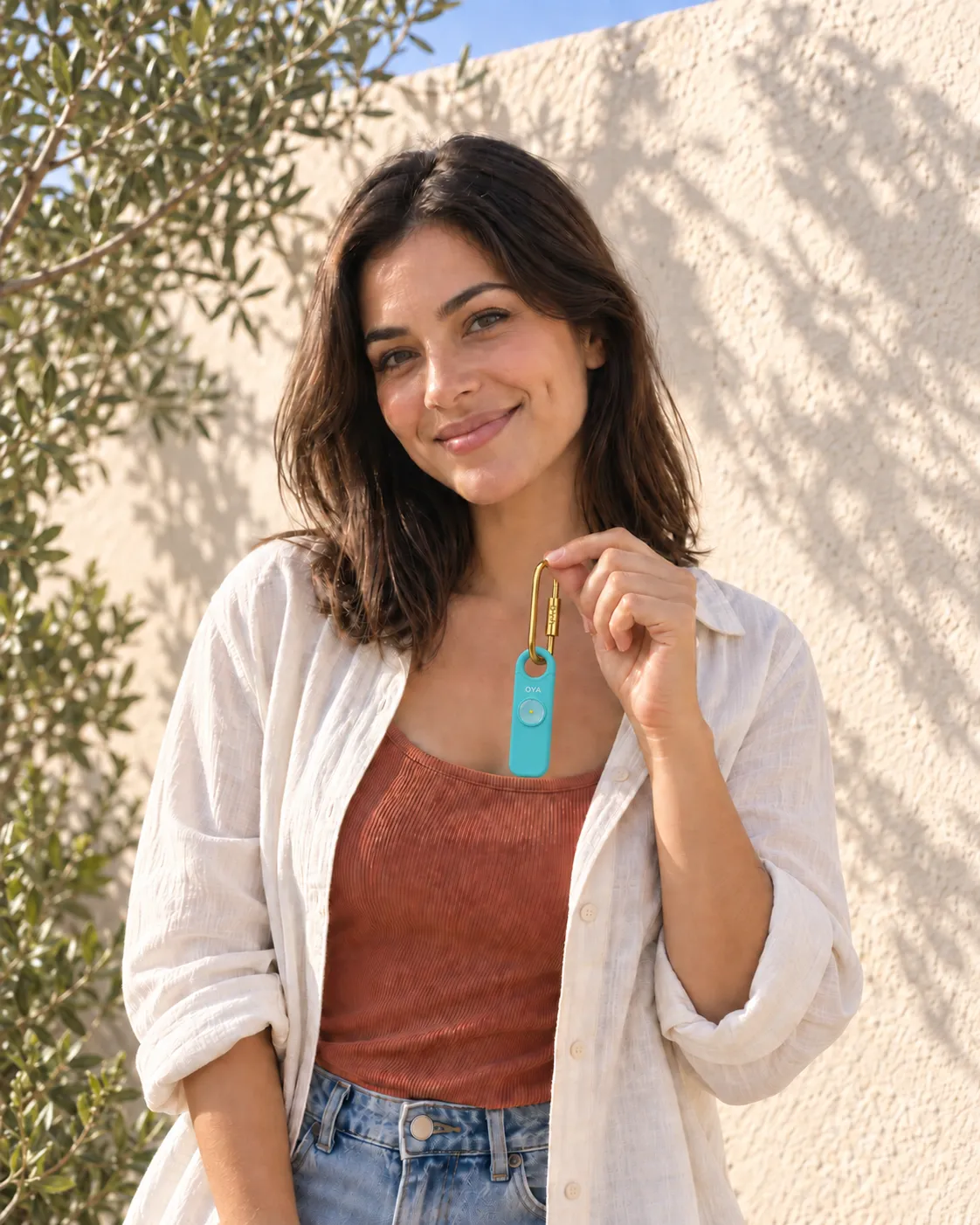
The third is the one people skip. A personal alarm clipped to a waistband or a lace pocket is reachable at pace, in gloves, without breaking stride, and it does not need unlocking or aiming. Someone should also simply know your route and your rough finish time, which costs one message before you leave.
Any questions?
Is it dangerous to run with headphones?
Full noise cancelling is, because it removes the early warning you get from traffic and from footsteps. Bone conduction, one earbud or a low volume keeps the music and keeps the street.
What should I carry when running alone?
A phone with live location shared for the run, something that identifies you, and one thing you can trigger at pace without unlocking a screen, such as a personal alarm on your waistband.
When is the best time to run alone in winter?
Early evening beats late night: the streets you run through are still busy and lit. Predictability is the trade off, so vary the route rather than the hour.
Is it safe to run alone after dark?
Nobody can promise that, but a few habits change the odds more than cancelling the season: loops that stay a few minutes from a lit street, reflective kit on ankles and arms, one ear on the street, and your live location shared for the length of the run.
Is it safer to run in a group than alone?
Company changes the odds, since noise and attention work best where there are people, but it costs you the run on evenings nobody can join. When you do run alone, run loops close to lit streets, keep one ear free and share your live location for the length of the run.
Is it better to run in a park or on streets after dark?
Whichever you choose, stay close to light. Loops on ground you have already read that evening, never more than a few minutes from a lit street or a way out, beat a long line into paths you do not know.
What if I get hurt on a run and nobody is around?
That is what two small habits are for: someone who knows your route and rough finish time, and your live location shared for the length of the run, so they know where to look. Carry a charged phone too: in the European Union, 112 works from any phone.